Tagged: outdoor-bench
Leigh Woods Purple Path
12 Mar 2022
There's a few tracks in Leigh Woods that lie within my mile and show up on my map but that I've not walked yet, so I decided to take one of my traditional big long walks through the woods on this nice crisp sunny morning.
For years—decades, even—I've been doing a similar route from my place, along the towpath to the far woods entrance, up the hill for a varied walk on one of the marked tracks and then across the Suspension Bridge to Clifton Village for a coffee-based reward. It's my default "long walk", really, and I almost always enjoy it. Today, at last, spring actually seemed to be springing, which made for some extra positivity...
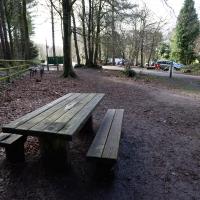
It's not my favourite bench, but it'll do. And it's a decent distance away from the mediocre cafe in the car park that seems to need to run a generator all the time. Maybe they should hook it up to that abandoned electric pole, at least it would be quieter.
I'd mind less if they did a decent flat white #firstworldproblems, but they don't. Their cakes are decent, though.
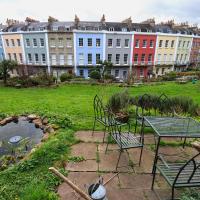
Just around the corner from where I live, and we've been here before, but I didn't own a wide-angle lens back then.
So, that was my walk through Leigh Woods. I think I knocked off a bit of path that was on my list, but at this point I've not actually looked at the GPS track yet. I suppose we'll see.
A Coffee and a Curve
27 Mar 2022
I wanted to have a wander along to the Tobacco Factory Market for some shopping, and checking the map for any leftover nearby streets I noticed a tiny curve of road on the way into the modern flats at Paxton Drive that it didn't look like I'd walked down before. I wouldn't take me too far out of my way, so I decided to head there first and then across to North Street to get my groceries and a coffee...
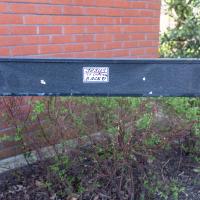
Well, I hope he's bringing the sign he nicked from this end of Paxton Drive with him.
Easter Monday Gardens and Flowers
18 Apr 2022
I didn't really set out with a theme of flowers and gardens in mind for this walk. I just fancied heading up to Clifton Village to get lunch. As it turned out, though, Spring was springing, so a minor theme emerged as I started off with the graveyard flowers of Hope Chapel and wandered up to see the beginnings of the new wildflower garden at Clifton Hill Meadow.
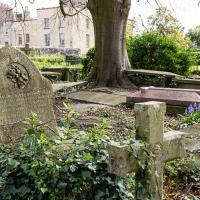
...doesn't sound like the kind of man who would appreciate the somewhat lax attitude his gravestone is taking to uprightness.